Peptide Lab Sciences: UK Laboratory Research Supplier
Research Peptides UK from Peptide Lab Sciences: explore individual peptides, specialist peptide blends and related laboratory compounds in one catalogue. Compare the named material, stated quantity and available format, then open the product page for the information needed before ordering.
Our range brings together research peptides, peptide bioregulators, capsule-format materials, topical research compounds and products associated with cellular and metabolic investigation. Whether your purchasing brief identifies one compound or several materials for comparison, the categories below provide a practical place to begin.
Select products according to your laboratory’s requirements and review the complete specification before adding an item to your basket. If an essential detail is missing, contact us with the exact product name so the question can be addressed before purchase.
For laboratory research only. Not for human or veterinary use, consumption, diagnosis or treatment.

Start with the material named in your research brief. Our catalogue lets you move from a broad category to an individual listing, where you can examine the stated quantity, selected variation and available product information.
This approach is useful when several products have similar names. A fragment, modified peptide, blend or capsule preparation may require a different assessment from another listing associated with the same compound. Open the complete product description before making a selection.
The Research Peptides UK catalogue serves customers looking for laboratory materials across several research areas. Category placement provides navigation; the individual specification remains the basis for evaluating a product.
If you already know the product you need, go directly to its listing. If you are comparing formats, review the relevant category first and note the differences that matter to your project.
Use the catalogue to establish a shortlist of relevant products, then compare each preparation against the requirements of the proposed laboratory work.
Explore Our Research Categories
Use the category that best matches your purchasing question. Some customers begin with a named peptide, while others need to compare combined formulations or distinguish capsule-format products from other preparations.
Products may appear in more than one category. That helps discovery but does not make every item in a category chemically similar or suitable for the same experiment.
When browsing research peptides UK laboratories might consider, use categories to narrow the list and specifications to make the final comparison. A familiar category name should never replace the identification of the actual material being purchased.
Individual Research Peptides
Individual peptide listings are a starting point when a research brief names a particular substance. Compare the complete product name, any stated modification, quantity and physical format before selecting the relevant option.
The Research Peptides UK catalogue includes entries such as BPC-157, CJC-1295 No DAC and Thymosin Alpha-1, alongside other specialist materials. Each listing should be assessed on its own information rather than treated as interchangeable with another peptide.
A name may also appear across different quantities or preparations. Keep the variation you select attached to your purchasing records so the order can be checked against the package received.
For projects that require a defined sequence or particular chemical form, confirm that the available documentation addresses that requirement. A general description of a research area is not enough to establish suitability.
Peptide Blends
Browse combined formulations containing multiple named research components. Our Research Peptides UK range includes a dedicated blends category so researchers can distinguish these preparations from individual peptide listings.
Compare every constituent and its stated amount. The total quantity of a blend does not establish how much of each ingredient it contains.
Select a formulation according to the research question and the composition documented for the product. If a necessary component quantity or ratio is missing, request clarification before purchasing.
Cosmetic and Topical Research Peptides
Topical research listings need to be assessed through their named compound and supplied formulation. A reference to cosmetic chemistry or dermal research does not establish that a laboratory material is a finished consumer cosmetic.
Our Research Peptides UK catalogue includes topical-labelled entries such as Argireline and other specialist compounds. Use the complete shop to locate the exact material and read its individual description.
For formulation-related work, additional ingredients and physical format may be important to the purchasing decision. A product name alone does not establish solvent composition, concentration or compatibility with the proposed assessment.
The intended laboratory application should guide selection. Do not infer suitability for personal skin application from the word “topical” in a research listing. Where the specification does not answer an essential formulation question, request clarification before committing the material to your project.
Peptide Bioregulators
The peptide bioregulator category brings together specialist listings that need individual assessment. Some research names refer to defined short peptides, while others are associated with complexes or extracts. Those descriptions should not be used interchangeably.
Within our Research Peptides UK catalogue, this category provides a route to products such as Testagen and Thymalin. Review the specification attached to the exact listing rather than assuming that a shared label establishes a shared composition.
If your project requires a defined substance, determine whether the offered preparation meets that requirement. Where a description refers to a mixture, ask what has been characterised and whether that information is sufficient for the proposed investigation.
The category name is a browsing aid. It does not independently establish a mechanism, purity level or clinical benefit.
Cellular and Metabolic Research Compounds
Cellular and metabolic research covers a broad set of materials. This part of the catalogue includes peptide and non-peptide compounds, so the category should not be read as a single chemical classification.
Alongside the Research Peptides UK selection, researchers can browse listings including NAD+, AICAR, MOTS-C and other named compounds. Compare the exact identity, available format and stated quantity on each product page.
A shared research theme does not establish equivalent action or suitability. Materials associated with metabolism may be investigated through different questions, methods and models.
Begin with the substance required by your research brief. Then determine whether the offered preparation and available documentation can support the intended work. If a product has several variations, confirm which option the description and supporting records concern.
Product availability should be checked on the individual page when you are ready to order.
Research Capsules
Capsule-format products require attention to both the named material and the complete formulation. The stated amount per capsule, number of capsules and any additional ingredients are separate pieces of information.
The Research Peptides UK catalogue includes a Research Capsules category for comparing these preparations. A capsule count describes package units; it does not establish a course of administration or a project duration.
For a hypothetical product stating 2mg of a compound per capsule and 30 capsules per package, the calculated total is 60mg of that named compound. The figure does not necessarily describe the total filled weight or shell mass.
Check whether your laboratory needs information about fillers, capsule material or other formulation components. Do not assume that a capsule preparation is equivalent to a neat powder containing the same named substance.
These materials are supplied for laboratory research, not consumption. Choose the format according to documented experimental requirements and resolve essential composition questions before buying.
Featured Research Peptides and Laboratory Compounds
Explore selected materials from the Research Peptides UK catalogue. Open an individual product to review its stated quantity, available variations, supplied format and research information.
Compare each preparation against the needs of your laboratory. A shared category or similar name does not establish that products are interchangeable or should be combined.
Read the selected product page before ordering. The product grid helps you find a listing, while its specification determines whether it belongs on your purchasing shortlist.
-
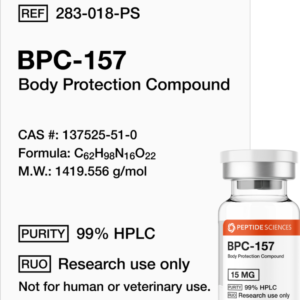
-
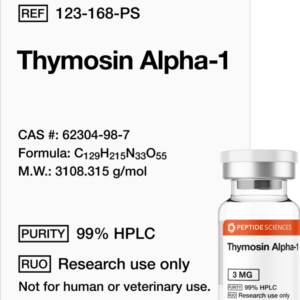 Research Peptides
THYMOSIN ALPHA-1
£59.00 – £130.00Price range: £59.00 through £130.00 Select options This product has multiple variants. The options may be chosen on the product page -
-
-
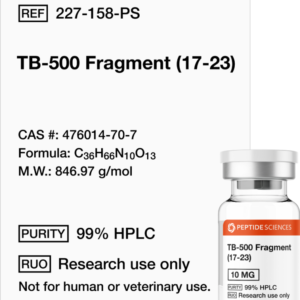
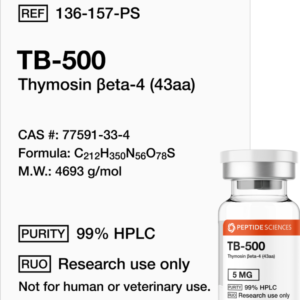 Research Peptides
TB-500 (THYMOSIN BETA-4) (43AA)
£85.00 Select options This product has multiple variants. The options may be chosen on the product page -
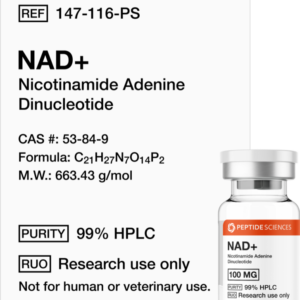 Cellular and Metabolic Research
NAD+
£65.00 – £300.00Price range: £65.00 through £300.00 Select options This product has multiple variants. The options may be chosen on the product page -
-
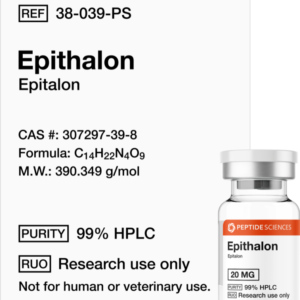 Research Peptides
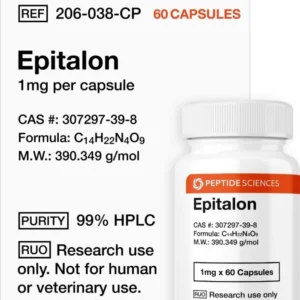
EPITHALON (EPITALON)
£90.00 – £215.00Price range: £90.00 through £215.00 Select options This product has multiple variants. The options may be chosen on the product page -
-
 Research Peptides
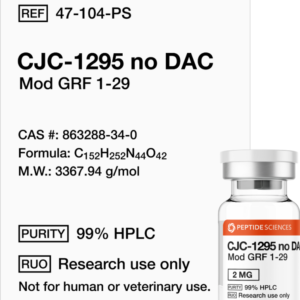
CJC-1295 NO DAC (MOD GRF 1-29)
£35.00 – £49.00Price range: £35.00 through £49.00 Select options This product has multiple variants. The options may be chosen on the product page
Looking for a particular preparation? Review Thymosin Alpha-1, Thymalin 20mg, Testagen 20mg or CJC-1295 No DAC.
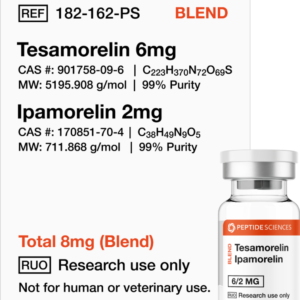
For different formats, compare the Tesamorelin and Ipamorelin blend and Tesofensine capsule listing. These links provide product navigation, not recommendations to combine the materials.
Explore Peptide Blends for Laboratory Research
Peptide blends combine multiple named components within one preparation. They can be considered when the research question concerns that combined material, provided its composition is sufficiently documented for the planned work.
Our Research Peptides UK range includes a dedicated blends category so researchers can distinguish combined formulations from individual peptide listings. Start by checking every constituent and the amount attributed to it.
The total mass of a blend is not the amount of each ingredient. A hypothetical 10mg blend could contain different constituent ratios, and those ratios would matter when comparing it with another 10mg preparation.
Do not infer a ratio from the order of ingredients in the title. If the quantities required to assess a formulation are absent, ask for clarification before purchasing.
Compare the composition of each relevant listing. Select a blend because it matches a defined requirement, with its limitations understood before laboratory work begins.
Compare Research Peptides Before Ordering
Compare Product Names Before Comparing Prices
Similar product names can conceal meaningful differences. A modification, fragment designation, ingredient combination or physical format can change what a listing represents.
When reviewing research peptides UK suppliers offer, retain the complete name from the specification. Avoid shortening it in a way that removes information needed to distinguish one preparation from another.
For example, a listing containing “No DAC” should be recorded with that qualifier. A fragment-labelled material should not be treated as the complete peptide merely because part of the name is shared.
The same principle applies to products with different package formats. A capsule preparation and a vial listing require their own assessment even when both mention the same principal compound.
Build a shortlist of products that meet the required identity first. Price comparisons become more useful once you know that the materials being compared address the same purchasing need.
If the distinction between two listings remains unclear, contact us with both complete names before selecting either.
Understand Quantities, Concentrations and Package Counts
A stated mass, solution concentration and package count answer different questions. Keeping them separate helps researchers compare products accurately and avoid ordering the wrong amount or format.
In the Research Peptides UK catalogue, a milligram quantity may identify the stated content of a selected product variation. It does not automatically describe a concentration, because concentration requires an additional measurement basis such as volume.
A package containing several units also needs to be distinguished from a single unit. Record whether the displayed quantity applies to each unit or to the complete package.
For blends, record the individual constituent amounts where specified. For capsule products, retain both the per-capsule figure and capsule count.
These details are useful for purchasing, inventory and later review. They do not provide personal-use instructions.
Before completing an order, compare the chosen option with the product description. Resolve conflicting units or unclear package totals while the selection is still being made, rather than after the material arrives.
Select a Format That Fits the Research Brief
The physical format of a material is part of its specification. A laboratory may need a particular preparation to answer a question, and another format should not automatically be treated as equivalent.
When comparing research peptides UK laboratories can purchase, consider the complete formulation alongside the named compound. Additional ingredients, packaging and stated content may affect whether a product fits the planned assessment.
A method described for one preparation may require review before it is applied to another. The website can help identify available formats, but the laboratory must determine whether they meet its requirements.
Make the format requirement explicit in the purchasing brief. This helps colleagues reviewing the order understand why a particular listing was selected.
If the supplied format is not clear, ask before purchasing. An image or familiar package shape does not independently confirm the composition inside it.
Compare the complete catalogue or ask a product question to resolve uncertainty about the preparation offered.
Assess Value Through the Complete Specification
Price is one part of a laboratory purchasing decision. A useful comparison also considers identity, stated amount, format, available documentation and whether the material can answer the intended research question.
The Research Peptides UK catalogue allows customers to inspect individual listings before deciding which preparation belongs on their shortlist. Compare like with like wherever possible.
A larger stated quantity may not represent better value if it does not fit the method or project. Equally, two items with the same price may differ in formulation, package count or information available.
Calculate price per stated unit only when the underlying quantities and specifications are comparable. The calculation can support a decision, but it cannot establish analytical quality or suitability.
Consider the practical cost of unresolved information as well. If a missing specification is essential, clarify it before ordering.
Choose according to the complete purchasing requirement rather than a headline quantity alone. This keeps the decision connected to what the laboratory needs to achieve.
Plan Purchases With Your Laboratory’s Requirements
A clear purchasing brief makes product selection easier. Record the named material, acceptable format, stated amount required and documentation essential to the project.
The Research Peptides UK catalogue can then be used to identify listings that may meet those requirements. This is more effective than selecting a familiar name and trying to adapt the project around incomplete information.
If several colleagues contribute to purchasing, preserve the complete name and variation in the shared record. Avoid abbreviations that remove a fragment label, modification or ingredient distinction.
Decide which questions must be answered before the order is placed. A missing composition detail may matter more to one project than another, and the requirement should be documented accordingly.
The laboratory remains responsible for experimental design and interpretation. Product support can address what is supplied and what information is available.
Contact us with a specific purchasing enquiry when clarification is needed to compare a listing with your institution’s requirements.
Product Quality and Documentation
Product documentation helps connect a listing with the material being supplied. The useful information depends on the compound, formulation and requirements of the proposed work.
Before buying research peptides UK laboratories need to assess, review the exact product identity, selected variation and any available batch records. Determine which details are stated claims and which are supported by measurements.
A report may concern an ingredient, an intermediate preparation or a finished product. Read the sample description rather than assuming that every document covers the package you are considering.
Where the specification leaves an essential question unanswered, identify that question clearly. Requests about identity, formulation or quantity are easier to address when they explain the information required.
Our Quality Control page is the website destination for quality information. If a relevant document is not displayed, contact Peptide Lab Sciences to ask what is available for the particular preparation.
Do not assume that an absent document exists or that a report for another item applies.
Understand What a Certificate Can Establish
A certificate of analysis is useful when its sample, methods and results address the question your laboratory needs to answer. The document title alone does not establish that every relevant characteristic has been measured.
For the Research Peptides UK range, review any available certificate alongside the exact product and batch information. Check whether the report concerns the preparation being offered.
Identity, purity and amount are related but different questions. A result addressing one of them does not automatically settle the others. Likewise, a document describing an ingredient may not characterise a finished formulation.
If your work depends on a particular attribute, determine whether the report actually measures that attribute. Keep the method and reporting basis attached to the result.
We do not make a blanket promise here that every listing has independent testing or a particular purity percentage. Product-specific claims require product-specific support.
Ask about available documentation before ordering when the required information is not present on the listing.
Scientific Resources and Research Context
Scientific resources can help researchers investigate compound names, locate original papers and inspect the basis for a research claim. They serve a different purpose from a supplier’s product documentation.
For background checks alongside the Research Peptides UK catalogue, PubMed provides access to biomedical citation and abstract records. Where available, those records can link to the full publication.
Researchers seeking accessible full papers can also explore PubMed Central. Read the actual methods and findings where possible, rather than relying only on a brief commercial summary.
A useful example of an original molecular study is the initial isolation and sequence analysis of thymosin alpha1. That paper concerns the molecule studied by its authors, not the identity of a current supplier’s package.
Keep references matched to the exact compound. A related name, shared category or overlapping research topic does not make one publication evidence for every product.
External resources support independent review; their inclusion does not imply institutional endorsement of this website.
Keep Research Findings Separate From Product Claims
A study can establish observations under particular conditions without proving that a different preparation will produce the same outcome. This distinction matters when comparing research materials with the literature.
When browsing research peptides UK laboratories may investigate, identify the material used in a paper and the question its investigators tested. A cell experiment, animal study and clinical trial answer different kinds of questions.
Record the measured result separately from a proposed explanation. A hypothesis can be useful for planning further work while remaining unconfirmed.
The same care applies to commercial descriptions. A reference does not independently establish the identity, quantity, safety or activity of a supplier’s batch.
Our catalogue is intended to help customers locate materials and review the information relevant to purchasing. Suitability for a particular experiment must be assessed against that experiment’s requirements.
Use the linked product pages for specifications and the original papers for scientific context. Where either source leaves an essential gap, keep that limitation visible until it is resolved.
Why Choose Peptide Lab Sciences?
| Extensive Research Catalogue | Compare individual peptides, combined formulations, bioregulators, capsule-format materials and related laboratory compounds through one organised catalogue. |
| UK-Focused Ordering | Review available research materials, select the required variation and check the delivery arrangements applicable to your order. |
| Product Comparison | Examine the complete product name, stated amount and supplied format before deciding whether a listing meets your laboratory’s requirements. |
| Online Purchasing | Open the relevant product page, review the selected option and check your basket before completing an eligible laboratory purchase. |
| Laboratory Research Purpose | Our Research Peptides UK catalogue supplies materials for laboratory investigation. Products are not offered for personal consumption, administration or treatment. |
| Product Enquiries | Contact Peptide Lab Sciences with questions about a named preparation, available documentation, packaging or an existing order. |
UK Ordering and Delivery
To buy research peptides, UK laboratory customers can begin in the shop, open the required listing and select the appropriate variation where offered. Review the product information before adding the item to the basket.
Check the exact name, stated quantity, number of packages and selected format. A product with several options needs a final check that the intended variation has been chosen.
Review the order total and delivery information shown during checkout. Complete any institutional purchasing requirements before relying on the material for scheduled work.
If an essential question remains unresolved, return to the product enquiry stage before completing the order. This is particularly useful when a project depends on a specific document or preparation detail.
The online catalogue supports product selection and ordering; it does not replace the laboratory’s assessment of suitability.
Shop research peptides or browse peptide blends to find the relevant listing and compare its specification with your research brief.
Delivery and Order Planning
Delivery arrangements should be reviewed for the selected product and destination during ordering. Customers with a fixed project date should clarify essential timing before completing a purchase.
For Research Peptides UK orders, a complete delivery address helps connect the package with the correct receiving location. Include the information needed by your institution to route deliveries to the appropriate department.
A catalogue description should not be treated as a guarantee of a particular dispatch day, delivery period or stock allocation. The arrangements applicable to an order should be checked when that order is placed.
If you need clarification about destinations, delivery services or an existing shipment, contact us with the product or order reference. Do not assume that a service available for one order applies unchanged to every destination.
Ask about delivery and order details before purchasing where necessary. Keep confirmed arrangements with the order record so the laboratory’s receiving team has the information needed for arrival.
Prepare for Receipt and Storage
Before materials arrive, ensure the laboratory has the product information needed to receive, identify and store them appropriately. The exact requirements depend on the supplied preparation.
For research peptides UK laboratories purchase, storage conditions should come from applicable product information and the laboratory’s established procedures. Advice for a different compound or format should not automatically be transferred.
At receipt, compare the package label with the order. Check the complete product name, stated amount, selected variation and batch identifier where provided.
Record visible damage or inconsistent information before assigning the material to routine work. Keep the original label connected with any internal laboratory identifier.
This homepage does not provide a universal storage temperature or shelf life. If a necessary condition is missing, request clarification before establishing storage arrangements.
The aim is a traceable transition from purchase to laboratory inventory. Accurate receiving records make later product enquiries and interpretation of experimental results easier to connect with the material actually supplied.
Reorder With the Original Specification in View
A repeat purchase still needs a specification check. The previous order provides a useful reference, but it should not replace reviewing the current listing and the preparation being offered.
When reordering from the Research Peptides UK catalogue, compare the full name, quantity, format and available documentation with the original purchasing requirement. Note any differences that could matter to the project.
Preserve batch distinctions where identifiers are supplied. Information associated with one package should not automatically be applied to another without establishing that it is relevant.
If the laboratory needs continuity with earlier work, identify the specific characteristics that must remain comparable. That makes any enquiry more precise than simply asking for “the same product.”
Use the contact page for questions about a previous order or the current listing, including the relevant order reference.
A clear reorder record supports continuity while allowing the laboratory to recognise and assess any change in the material or information available.
Product Support for Clear Purchasing Decisions
Useful support begins with a precise question. Include the exact product name and identify whether the enquiry concerns quantity, composition, physical format, available documentation or an existing order.
Our Research Peptides UK customers can contact Peptide Lab Sciences before purchasing when an essential specification requires clarification. Providing the complete listing name helps avoid confusion between similarly named materials.
For blend enquiries, identify the component amount or ratio that needs confirmation. For capsule products, distinguish per-unit content from total package content. For variable listings, state the option you are considering.
If the question concerns a package already received, include the order reference and batch identifier where available. This connects the enquiry with the correct material.
Contact Peptide Lab Sciences or email info@peptideslabsciences.co.uk for legitimate product and order questions.
Support enquiries should concern the supplied material and available information. We do not provide personal dosing, administration schedules or self-experimentation instructions.
Responsible Laboratory Research
The Research Peptides UK catalogue supplies materials for laboratory investigation. Product names, formats and scientific references should be interpreted within that purpose.
These research materials are not offered as consumer supplements or personal treatments. A capsule, vial or topical label does not by itself establish suitability for human or veterinary use.
Customers are responsible for ensuring that the proposed purchase, possession and laboratory application meet applicable requirements. The intended experiment should be assessed through the institution’s own procedures and facilities.
Research descriptions do not promise a result. A material associated with a scientific topic still requires individual evaluation against the project’s methods, assumptions and documentation needs.
Peptide Lab Sciences does not encourage personal administration or unauthorised self-experimentation. The stated quantities describe supplied materials, not amounts for personal use.
For laboratory research only. Not for human or veterinary use, consumption, diagnosis or treatment. Use the catalogue to compare products, ask essential questions and select materials for an appropriate scientific purpose.
Frequently Asked Questions
1. Where Can I Buy Research Peptides in the UK?
The Research Peptides UK catalogue at Peptide Lab Sciences provides product listings that eligible laboratory customers can review and order online. Begin with the relevant category, then open the exact product page.
Check the stated identity, quantity, selected variation and available documentation before purchasing. If a missing specification is essential to your work, contact us before ordering. Availability and applicable delivery arrangements should be reviewed for the selected item.
2. How Do I Choose Between Similar Product Names?
When using the Research Peptides UK shop, compare the complete names rather than the shared words alone. A modification, fragment label, additional ingredient or different format may distinguish one listing from another.
Keep those details in your purchasing record. If two descriptions appear identical but their relationship is unclear, request clarification. Do not assume that a different price or image establishes the difference relevant to your laboratory.
3. Does the Catalogue Include Peptide Blends?
Yes. The Research Peptides UK range includes a dedicated peptide blends category. Open each relevant listing to review the named constituents and available formulation information.
The total amount does not establish how much of each component is present. A blend should be selected only when the composition is sufficiently clear for the intended investigation. Ask about an unspecified ratio before relying on it in a purchasing decision.
4. Are All Products in the Catalogue Peptides?
No. Alongside research peptides, UK customers can browse related non-peptide laboratory compounds. The broader catalogue includes materials organised by research area and physical format as well as peptide identity.
Category placement helps customers find products, but it does not establish a shared chemical structure. Use the individual specification and exact compound name when reviewing literature or assessing whether a material meets the requirements of the project.
5. What Does a Milligram Quantity Mean?
In the Research Peptides UK catalogue, a milligram figure describes a stated mass whose scope should be checked in the product specification. Determine whether it concerns one unit, a complete package or a combined formulation.
Mass is different from concentration, which needs an additional measurement basis. The number also does not describe a personal administration amount. Keep the quantity, unit and package information together when comparing products.
6. How Should I Compare Capsule Products?
Research Peptides UK customers reviewing capsules should check the named compound, amount per unit and number of capsules supplied. Additional ingredients and shell information may also be relevant to the proposed laboratory assessment.
A package total calculated from the label does not establish the total filled mass or independently measure the contents. Capsule presentation does not make a research material a consumer supplement or provide a schedule for consumption.
7. Does Every Product Have a Certificate of Analysis?
Do not assume that every Research Peptides UK listing has the same documentation. Review what is displayed for the exact product and ask what is available for the relevant preparation and batch.
Where a report is supplied, identify its sample, methods and scope. A certificate for another item or an ingredient may not answer the questions your laboratory has about the finished product. Assess the document against your actual requirements.
8. Do Scientific References Verify the Product?
No. A reference linked from the Research Peptides UK catalogue describes the work reported by its authors. It does not independently confirm the identity, amount or quality of a supplier’s package.
Use publications to understand scientific context and product documentation to assess the preparation offered. Both can inform a decision, but they answer different questions. Keep those roles separate when writing the rationale for a laboratory purchase.
9. Can I Order Several Products Together?
You can review available items in the Research Peptides UK shop and add the required selections to your basket. Check the information presented during ordering for any applicable limitations.
Assess each item independently against the project’s requirements. Purchasing several products together does not imply that they should be combined or used in the same experiment. Confirm each variation, package count and relevant specification before completing the order.
10. How Do I Check Delivery Availability?
For Research Peptides UK orders, review the delivery arrangements shown for your destination during the ordering process. If the available information does not answer an essential question, contact us before purchasing.
Do not assume that delivery to one address establishes availability for every destination. Include the intended location and product name in an enquiry. For an existing order, provide its reference so the question can be connected with the correct purchase.
11. Can I Request a Particular Dispatch Date?
Contact Peptide Lab Sciences before ordering if timing is essential to your project. The Research Peptides UK catalogue should not be interpreted as a guarantee that a particular dispatch date can be met.
Explain the requirement and ask what arrangements can be confirmed. Keep any confirmed details with the order record. A project schedule should be based on the applicable arrangements rather than an assumption drawn from another purchase.
12. How Should Laboratory Materials Be Stored?
Research Peptides UK products should be stored according to information applicable to the supplied preparation and the laboratory’s established procedures. Requirements should not be inferred solely from a category or a similar product name.
If essential storage information is missing, ask for clarification before arranging receipt. This homepage does not provide a universal temperature, shelf life or stability guarantee. Use the specific information relevant to the material being purchased.
13. Are Research Peptides Intended for Human Use?
No. Materials in the Research Peptides UK catalogue are supplied for laboratory research and are not offered for human or veterinary administration, consumption, diagnosis or treatment.
A familiar format or a publication discussing clinical research does not change the intended use of the supplied preparation. Product quantities identify materials for purchasing and laboratory records. They do not provide personal dosing guidance or authorise self-experimentation.
14. Can I Treat a Research Material as a Medicine?
The Research Peptides UK catalogue does not offer its research materials as medicines or personal treatments. A scientific paper about a compound does not establish that a supplier’s preparation is equivalent to a product used in a clinical investigation.
Assess the listing within its stated laboratory purpose. Questions about product identity and documentation can be directed to us, but personal medical advice and administration instructions are not part of the service described here.
15. Does a Topical Listing Mean It Can Be Applied to Skin?
No. Within the Research Peptides UK catalogue, a topical research label describes a research context or product designation. It does not independently establish a finished cosmetic product suitable for personal application.
Review the complete identity, supplied composition and intended laboratory purpose. If formulation details are needed for your investigation, request them before purchasing. Do not infer consumer suitability from the product name, image or category.
16. How Do I Know Which Variation I Selected?
Before completing a Research Peptides UK order, check the variation shown on the product page and in your basket. Record the stated amount and any format or ingredient distinction attached to that option.
Compare this record with the package received. If the order information and label disagree, ask for clarification before using the material in work that depends on the disputed specification. Preserve the order reference for that enquiry.
17. Can I Reorder a Material From an Earlier Project?
Use the original order as a reference when reviewing the Research Peptides UK catalogue, then check the current listing. Confirm the complete name, quantity, format and information relevant to continuity with the earlier work.
Do not assume that every document from a previous package applies to a later purchase. Identify which characteristics your project requires to remain comparable and ask about any changes or uncertainties before reordering.
18. What Should I Include in a Product Enquiry?
For a Research Peptides UK enquiry, provide the complete product name, selected variation and the specific information required. State whether the question concerns composition, quantity, documentation, packaging or delivery.
For an existing purchase, include the order reference and batch identifier where available. A precise enquiry makes it easier to identify the correct material. Avoid relying on a shortened name that removes a meaningful product distinction.
19. How Can I Compare Value Between Products?
When comparing research peptides UK laboratories might purchase, evaluate identity, quantity, format and relevant documentation together. A headline price or larger package does not by itself establish better value for the intended experiment.
Only compare price per unit when the underlying specifications are sufficiently comparable. A material that cannot answer the project’s question may be unsuitable regardless of price. Resolve essential specification gaps before making the final selection.
20. Where Should I Start if I Have a Product List?
Open the Research Peptides UK shop and match each entry in your brief with the complete catalogue name. Check quantities and variations individually rather than assuming that similar names identify equivalent preparations.
Keep a record of the selected listings and any unanswered questions. Once essential specifications have been clarified, review the basket and delivery arrangements. The laboratory’s research requirements should remain the basis for every item selected.
Browse Research Peptides UK
Explore individual peptides, combined formulations, bioregulators and related laboratory materials from Peptide Lab Sciences. Use the categories to find relevant listings, compare the complete specifications and ask essential questions before ordering.
Select the named compound and available format required by your laboratory, then review the chosen variation and supporting information before completing your purchase.
For laboratory research only. Not for human or veterinary use, consumption, personal administration, diagnosis or treatment.

For laboratory research only. Not for human or veterinary use. Not for consumption, diagnosis, treatment or administration.
Stay Informed About Research Products
Receive updates about newly listed research materials, product availability, scientific resources and Peptide Lab Sciences announcements.